
Woodlice (Pill Bugs): Identification, Damage, Prevention & Control
What Are Woodlice?
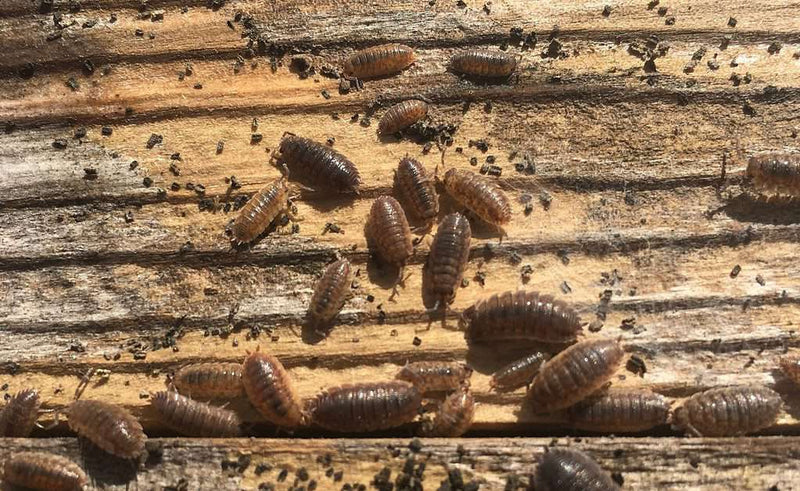
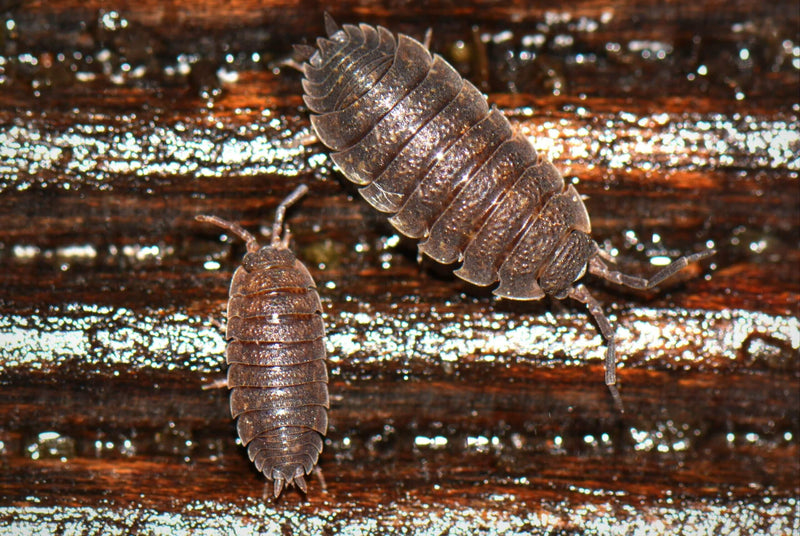
Woodlice, commonly known as pill bugs, are not insects. Like lobsters and shrimp, they belong to the crustacean family and are classified under the suborder Oniscidea in the order Isopoda.
These small, oval-shaped, gray crustaceans measure around 13 to 15 mm in length. Their bodies are covered by a soft segmented shell, and they have seven pairs of legs and two pairs of antennae. While there are many species of woodlice, the common woodlouse is the most frequently encountered around homes and gardens.
Woodlice are typically found in moist, dark environments, making them common in basements, gardens, and areas with high humidity.

Woodlice Life Cycle and Development
Female woodlice carry their eggs inside a brood pouch, where the eggs develop and hatch. The young remain protected inside this pouch for approximately 40 days before emerging.
A single female can produce 24 to 28 offspring per litter, and woodlice can live for up to two years under suitable conditions.
Because they reproduce efficiently and thrive in moist environments, woodlice populations can grow quickly when conditions are favorable.
Where Woodlice Live
These pests thrive in cool, damp, and shaded areas where moisture is consistently present. Because they cannot survive long in dry conditions, they typically gather in locations that provide shelter and humidity.
Outdoors, they are often found in:
- Forested or grassy areas
- Locations near water sources
- Under stones, logs, and landscape materials
- Beneath decaying leaves or plant debris
- Around tree stumps
- Compost piles or manure heaps
Around homes and buildings, they may hide in:
- Basements
- Crawl spaces
- Damp foundations
- Garden beds and mulch
- Under flower pots or outdoor containers
If they begin appearing inside your home, it is often a sign of excess moisture, poor drainage, or hidden water leaks that create a suitable environment for them.
Are Woodlice Harmful?
Woodlouse are harmless to humans and pets and do not bite or spread disease. However, large numbers can become a garden pest, feeding on seedlings and soft plants. Seeing woodlice indoors often means a larger population is present outside your home in damp areas.
Woodlice Prevention Tips
Preventing woodlice infestations starts with controlling moisture and removing their hiding places.
- Ventilate rooms regularly, especially basements and humid areas.
- Use fans or dehumidifiers to lower humidity levels.
- Repair plumbing leaks immediately.
- Remove dead leaves, wood, and organic debris near the house.
- Keep compost piles and mulch away from foundations.
- Clean drains and gutters regularly.
- Close gaps around windows, doors, and foundations.
- Seal cracks and openings where pests can enter.
- Place flower pots and planters away from doors and windows.
- Avoid excessive watering near the house foundation.
Recommended Woodlice Control Methods
Woodlice also have several natural predators, including:
- Frogs
- Toads
- Lizards
- Birds
Encouraging wildlife by installing birdhouses or maintaining a small pond can help naturally control woodlice populations.
Professional Pests Control
If woodlice are invading your home or damaging your garden, professional pest control can quickly identify the source of moisture and nesting areas causing the infestation.
At R.D. Exterminateur, our technicians inspect your property, locate breeding sites, and apply safe and effective treatments to control woodlice populations and prevent them from returning.
If you are seeing woodlice in your basement, garden, or around your foundation, contact our team today for a professional inspection and reliable pest control solution.

