
Spiders: Identification, Damage, Prevention & Control
What Are Spiders?
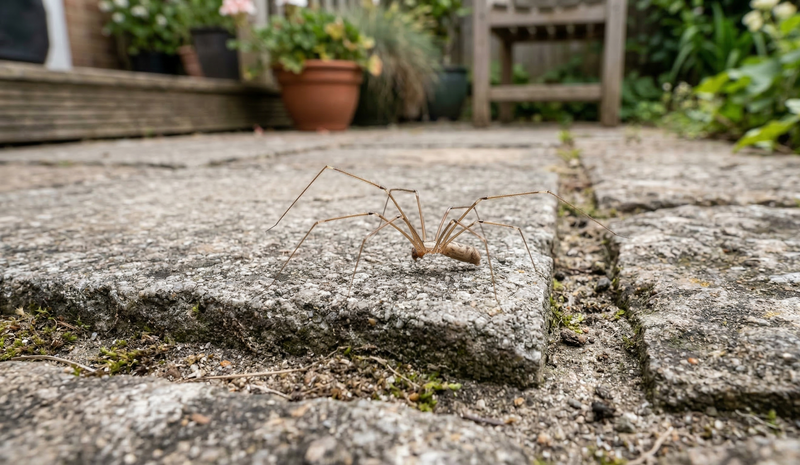
Spiders are common arthropods that belong to the class Arachnida, which also includes scorpions, ticks, and mites. Unlike insects, spiders have eight legs and two main body segments.
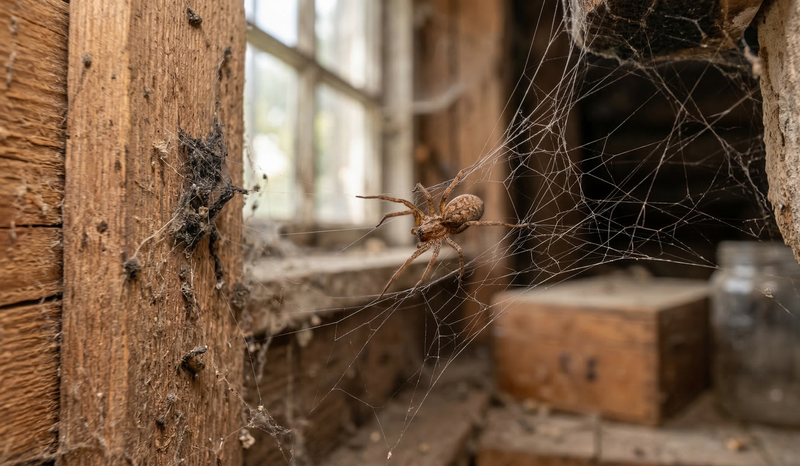
There are thousands of spider species worldwide, and many can be found around homes and buildings. One common example often seen indoors is the Common House Spider.
Most spiders are beneficial because they feed on insects and help control other pest populations. However, they can still become a nuisance when they build webs inside homes or appear frequently in living spaces.
Spiders are typically active at night and prefer quiet areas where they can build webs and capture prey.

Spider Life Cycle and Development
Spiders reproduce by laying eggs inside silk egg sacs. Depending on the species, a female spider may produce hundreds of eggs at a time.
After hatching, young spiders (called spiderlings) disperse and begin hunting small insects. Some species use a method called ballooning, where they release silk threads that allow them to travel through the air.
Spiders usually live one to two years, although some species can survive longer in protected environments.
Where Spiders Live
Spiders prefer areas that provide shelter and a reliable supply of insects. Around homes and buildings, they are often found in:
- Basements and crawl spaces
- Attics and storage rooms
- Garages and sheds
- Corners of ceilings and windows
- Behind furniture or appliances
Outdoors, spiders commonly live in:
- Gardens and vegetation
- Wood piles and debris
- Under rocks and outdoor structures
- Around exterior lights that attract insects
Because spiders feed on insects, their presence may also indicate other pest activity in the area.
Are Spiders Harmful?
Most Spider species are harmless to humans and usually avoid contact, and bites are rare. However, spiders can still become a nuisance in homes and businesses by building webs around windows, ceilings, and corners, leaving egg sacs and droppings, and creating an unpleasant appearance in living spaces. Their presence may also indicate other insect pests nearby, since spiders are attracted to areas with abundant prey.
Spider Prevention Tips
Preventing spiders involves reducing insect populations and removing hiding areas around your property.
- Keep windows and doors properly sealed.
- Turn off unnecessary outdoor lighting that attracts insects.
- Keep food and garbage properly stored.
- Close gaps around windows, doors, and foundations.
- Repair damaged screens and vents.
- Seal cracks in walls and siding.
- Keep basements and storage areas organized.
- Remove clutter and unused boxes.
- Clean corners and ceilings regularly to remove webs.
- Trim vegetation near the house.
- Move firewood and debris away from buildings.
- Clean exterior walls and window frames regularly.
Spider Control Methods
Controlling spiders typically requires addressing both the spiders themselves and the insects they feed on, since a steady food source encourages spider activity indoors and around buildings. Effective spider control includes regularly removing webs and egg sacs, reducing indoor and outdoor insect populations, and sealing cracks or gaps around windows, doors, and foundations to prevent spiders from entering. Keeping storage areas clean, organized, and free of clutter also eliminates common hiding spots. Because spiders are attracted to areas where insects are present, managing insect populations is one of the most effective long-term strategies for reducing spider activity in homes, businesses, and surrounding outdoor spaces.
Professional Pests Control
If spiders are becoming a problem in your home, basement, attic, or commercial building, professional pest control can help eliminate infestations and prevent them from returning.
At R.D. Exterminateur, our technicians inspect your property, identify spider activity areas, and apply targeted pest control treatments to reduce spiders and the insects that attract them.
Contact our team today to schedule an inspection and keep your home or business free from unwanted pests.

