
Silverfish: Identification, Damage, Prevention & Control
What Are Silverfish?
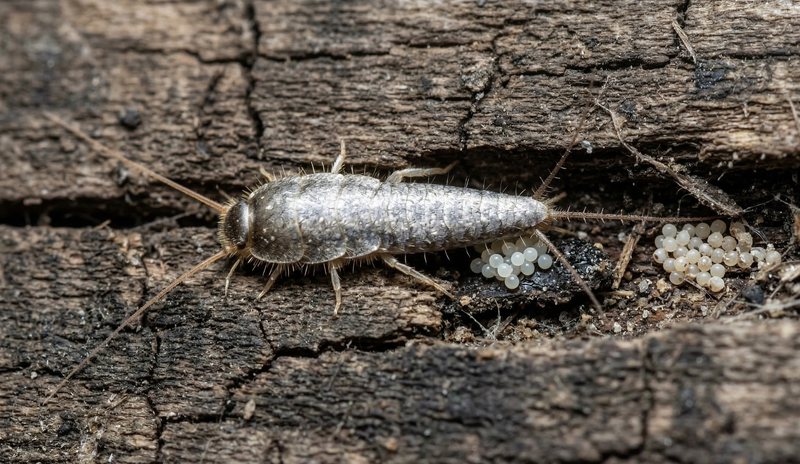
The Silverfish is a small, wingless insect known for its silvery-gray color and fish-like movement. Silverfish belong to the insect order Zygentoma and are commonly found in homes where humidity and food sources are available.
Adult silverfish typically measure 12 to 19 mm (½–¾ inch) in length. Their bodies are flat and elongated, with long antennae at the front and three tail-like appendages at the back.
These insects are nocturnal, meaning they are most active at night. During the day, they hide in dark, damp places such as cracks, wall voids, and storage areas.

Silverfish Life Cycle and Development
Silverfish have a relatively long life cycle compared to many other household pests.
Females lay small clusters of eggs in cracks, crevices, or hidden areas. After hatching, the young silverfish resemble smaller versions of adults and continue to grow through a series of molts.
Silverfish can live two to three years under favorable conditions and may continue molting even after reaching adulthood. Because of their long lifespan and ability to survive in hidden spaces, infestations can persist if not properly addressed.
Where Silverfish Live
Silverfish prefer dark, humid environments where food sources such as starches and sugars are available.
Common places where silverfish are found include:
- Bathrooms and laundry rooms
- Basements and crawl spaces
- Kitchens and pantry areas
- Attics and storage rooms
- Bookcases and paper storage areas
They are especially attracted to materials containing starch, cellulose, or adhesives, including:
- Paper and books
- Cardboard boxes
- Wallpaper glue
- Fabrics and clothing
- Flour and cereal products
Are Silverfish Harmful?
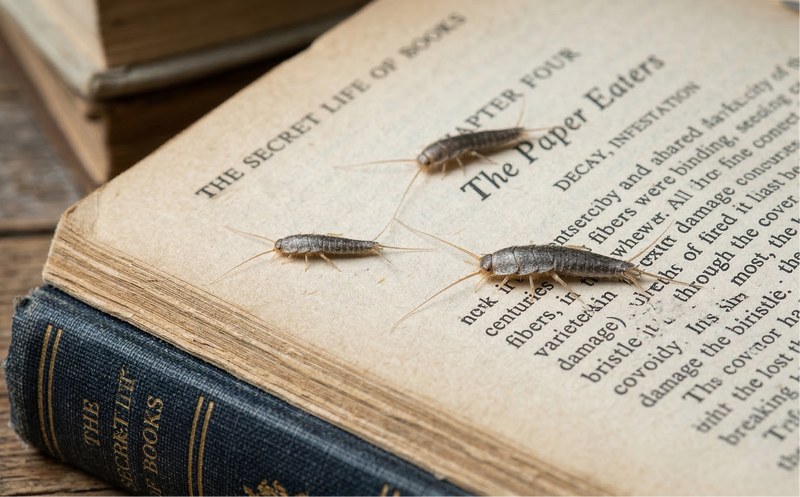
Silverfish do not bite or spread diseases, but they can cause damage to household items and stored materials. These pests commonly damage books, paper, and documents, feed on wallpaper glue and adhesives, eat fabrics and natural fibers, and may contaminate pantry food products, leading to noticeable damage to paper goods, textiles, and storage items over time.
Silverfish Prevention Tips
Preventing silverfish mainly involves reducing humidity and removing food sources.
- Use dehumidifiers in basements and damp areas.
- Repair leaking pipes or plumbing fixtures.
- Improve ventilation in bathrooms and laundry rooms.
- Keep books and documents in dry storage areas.
- Store clothing and fabrics in sealed containers.
- Use airtight containers for pantry foods such as flour and cereals.
- Close cracks and gaps around walls, baseboards, and floors.
- Repair damaged wallpaper or peeling surfaces.
- Seal gaps around pipes and utility lines.
Professional Pests Control
If you are seeing silverfish in your bathroom, basement, kitchen, or storage areas, professional pest control can help eliminate the infestation and prevent further damage.
At R.D. Exterminateur, our technicians inspect your property, identify areas of silverfish activity, and apply targeted pest control treatments to eliminate infestations and reduce moisture-related pest problems.
Contact our team today to schedule an inspection and keep your home or business protected from nuisance pests.

