
Raccoons: Identification, Damage, Prevention & Control
What Are Raccoons?
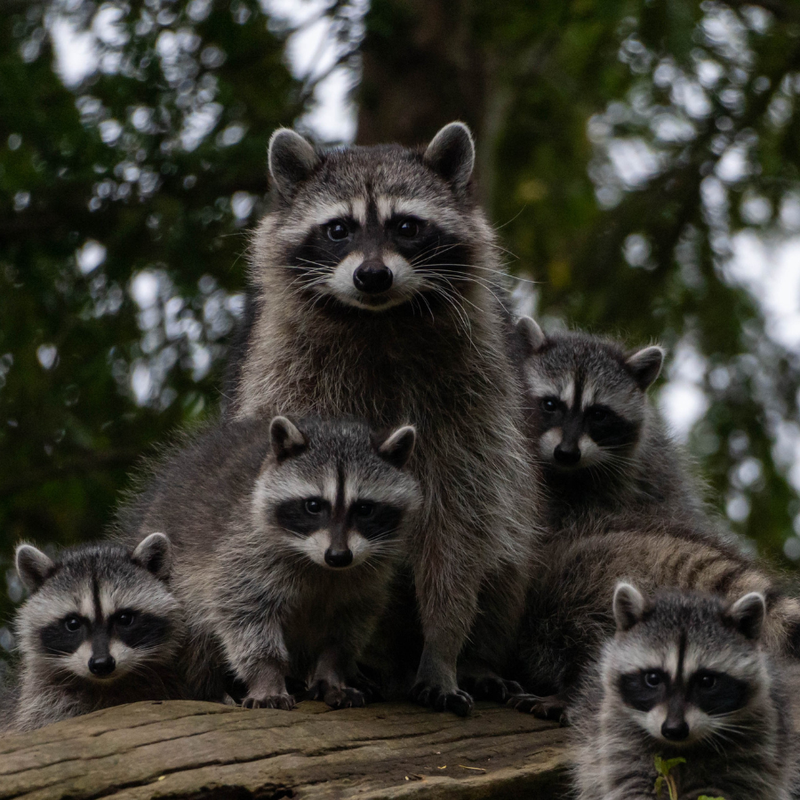
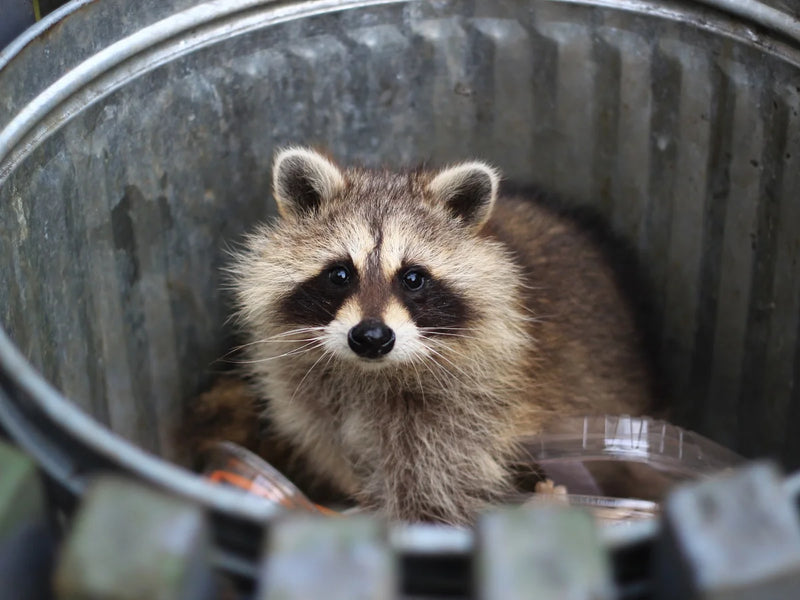
The Raccoon is a highly adaptable mammal commonly found in urban, suburban, and rural environments. Raccoons are easily recognized by their black facial mask, ringed tail, and grayish fur.
Adult raccoons typically measure 60 to 95 cm (24–37 inches) in length, including the tail, and weigh between 5 and 12 kg (11–26 lbs). They are intelligent animals with dexterous front paws, allowing them to open containers, climb structures, and access food sources.
Raccoons are mostly nocturnal, meaning they search for food during the night and rest during the day.

Raccoon Life Cycle and Development
Raccoons usually mate in late winter, and after a gestation period of about 63 days, females give birth to litters of 2 to 5 young.
The young raccoons remain in the den with their mother for several weeks before beginning to explore outside. By late summer, they start learning how to find food and survive independently.
Raccoons typically live 2 to 5 years in the wild, although some may live longer in protected environments.
Where Raccoons Live
Raccoons prefer locations that provide shelter, food, and access to water. Around residential areas, they often create dens in protected spaces.
Common raccoon den sites include:
- Attics and roof spaces
- Chimneys and wall cavities
- Under decks, porches, or sheds
- Hollow trees or logs
- Garages or abandoned structures
Raccoons are excellent climbers and can easily access roofs, chimneys, and upper levels of buildings.
Are Raccoons Harmful?
Raccoon are generally not aggressive, but they can cause serious property damage and health risks when they invade homes or yards. They may tear shingles or roof vents to access attics, damage insulation and structures, scatter garbage while searching for food, and dig up lawns and gardens. Raccoons can also create loud noises in attics at night and may carry diseases and parasites that can affect pets and humans.
Raccoon Prevention Tips
Preventing raccoons mainly involves removing food sources and securing potential entry points around your property.
- Keep garbage bins securely closed and animal-proof.
- Avoid leaving pet food outside overnight.
- Clean up fallen fruit from trees.
- Secure compost bins.
- Install chimney caps to block entry.
- Repair damaged roof vents or soffits.
- Seal openings around attics and crawl spaces.
- Trim tree branches away from the roof.
- Remove debris and brush piles near structures.
- Inspect outdoor structures for possible denning areas.
Professional Wildlife Control
If raccoons are living in your attic, chimney, roof, or around your yard, professional wildlife control can safely remove them and prevent them from returning.
At R.D. Exterminateur, our technicians inspect your property, locate raccoon entry points, and implement safe and effective wildlife control solutions to protect your home.
Contact our team today to schedule an inspection and keep your property secure from nuisance wildlife.

