
Pharaoh Ants: Identification, Damage, Prevention & Control
What Are Pharaoh Ants?
Pharaoh ants (Monomorium pharaonis) are tiny, light yellow to reddish ants commonly found inside homes, hospitals, restaurants, and commercial buildings. Because of their small size and ability to form large colonies, they are one of the most difficult ant species to control.
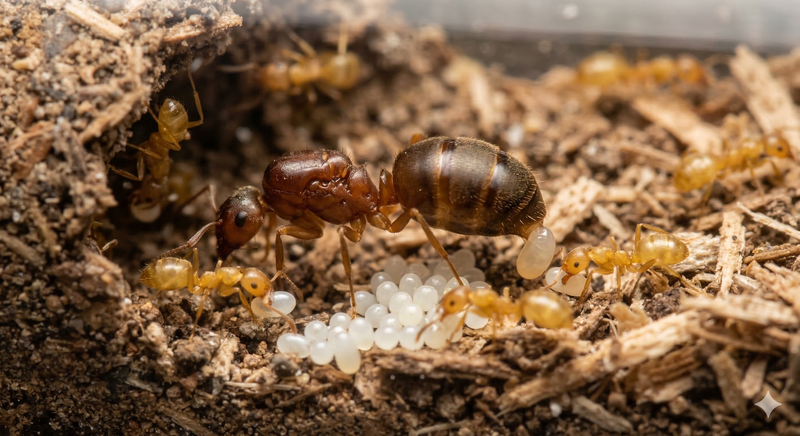
Worker pharaoh ants measure about 1.5 to 2 mm in length and have slender bodies with slightly darker abdomens. Queens are larger and darker in color. These ants move in long trails while searching for food and water, often appearing around kitchens, bathrooms, and warm indoor spaces.
Pharaoh ants prefer warm, humid environments, which is why they often nest inside heated buildings.

Pharaoh Ant Life Cycle and Development
Pharaoh ant colonies can grow very quickly. A single colony may contain thousands of workers and multiple queens, allowing the population to expand rapidly.
Queens lay eggs that develop into workers in about 5 to 7 weeks. Because colonies have multiple queens, reproduction continues throughout the year, especially indoors.
One of the biggest challenges with pharaoh ants is budding. When a colony is disturbed, it can split into several smaller colonies that spread to other areas of the building, making infestations harder to eliminate.
Where Pharaoh Ants Live
Pharaoh ants prefer warm, hidden nesting areas close to food and moisture. They commonly nest in:
- Wall voids and insulation
- Behind baseboards and cabinets
- Inside electrical outlets and appliances
- Under floors or inside furniture
- Near hot water pipes or heating systems
In homes and businesses, they are often found in:
- Kitchens
- Bathrooms
- Pantries
- Laundry rooms
- Hospitals and food facilities
Because they are so small, pharaoh ants can easily travel through tiny cracks and structural openings.
Are Pharaoh Ants Harmful?
Pharaoh ants do not sting and rarely bite, but they can still pose significant health and sanitation concerns.
They are known to contaminate food and surfaces while searching for sugary or protein-rich foods. In sensitive environments such as hospitals, they can spread bacteria and pathogens by traveling between contaminated areas and sterile surfaces.
In homes and commercial buildings, pharaoh ants can quickly become a persistent indoor pest, forming multiple colonies throughout the structure.
Pharaoh Ant Prevention Tips
Preventing pharaoh ants requires good sanitation and sealing entry points to reduce food sources and nesting opportunities.
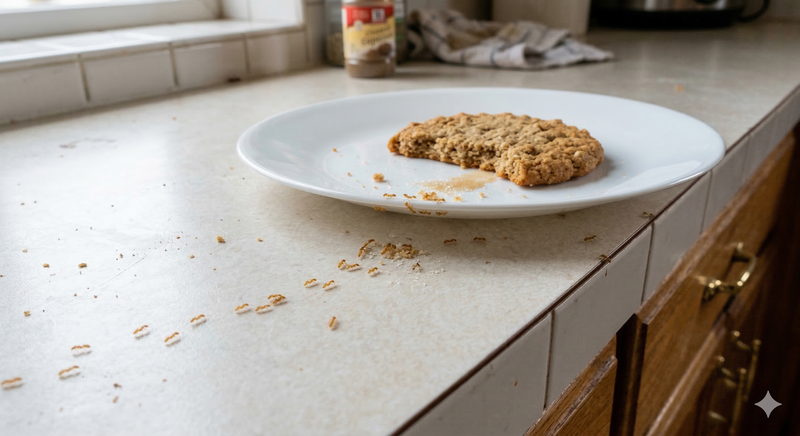
- Wipe down kitchen surfaces regularly.
- Store food in airtight containers.
- Clean crumbs and spills immediately.
- Take garbage out frequently.
- Repair leaking pipes and faucets.
- Avoid standing water in sinks or trays.
- Improve ventilation in humid areas.
- Seal cracks around windows, doors, and foundations.
- Close small gaps in walls, baseboards, and utility lines.
- Keep clutter to a minimum.
- Inspect cabinets, appliances, and wall voids for signs of ant activity.
Pharaoh Ant Control Methods
Because pharaoh ants form large, multi-queen colonies, they are difficult to control with basic household treatments. In fact, spraying insecticides can worsen the infestation by causing the colony to split and spread to new nesting areas. Effective pharaoh ant control typically involves strategic ant baiting systems, targeting hidden nests, and monitoring colony activity to ensure the entire colony is addressed. Successful treatment focuses on eliminating the colony rather than just the visible ants for long-term control.
Professional Pests Control
If you are seeing tiny yellow ants in your kitchen, bathroom, or other indoor spaces, it may indicate a pharaoh ant infestation that requires professional treatment.
At R.D. Exterminateur, our technicians locate hidden colonies and apply targeted ant control solutions designed to eliminate pharaoh ants safely and effectively.
Contact our team today to schedule an inspection and protect your home or business from a growing ant infestation.

