
Mealworms: Identification, Damage, Prevention & Control
What Are Mealworms?
Mealworms are the larval stage of the beetle known as the Yellow Mealworm Beetle. They are commonly found in stored grain products, animal feed, and other dry food materials.
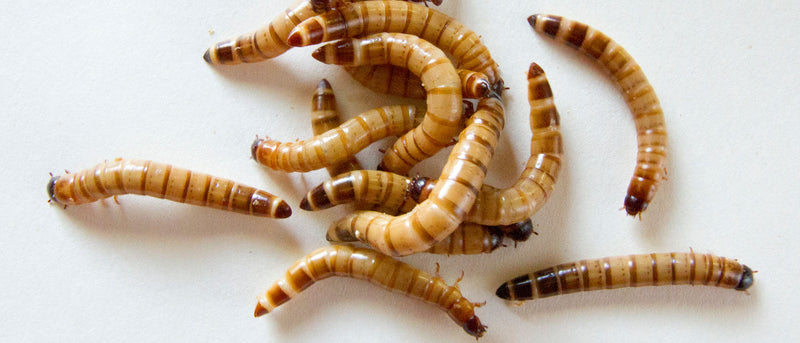
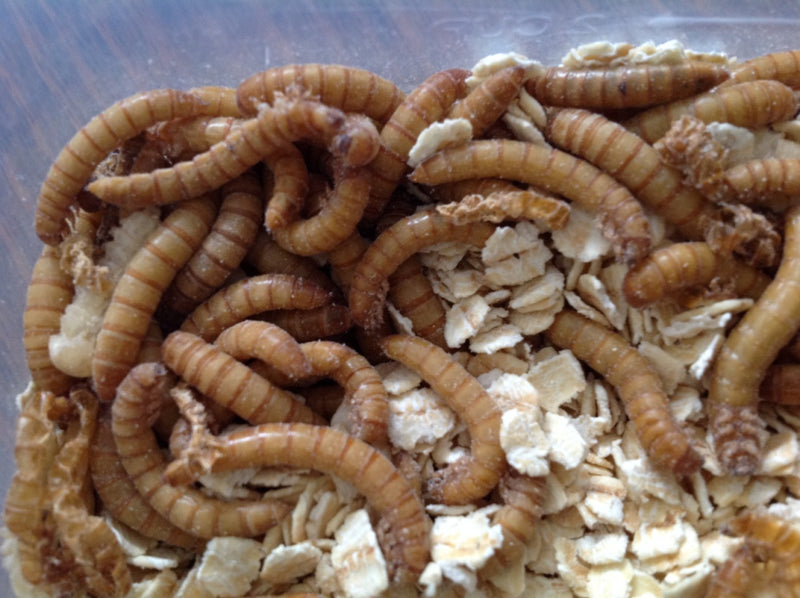
Mealworms are yellowish-brown larvae that typically measure 2 to 3 cm (about 1 inch) in length. Their bodies are segmented and cylindrical, with a smooth, shiny appearance. Although they resemble worms, mealworms are actually the immature stage of a beetle.
These larvae thrive in warm, dark environments with access to grain-based foods, which is why they are frequently found in pantries, food storage areas, farms, and warehouses.

Mealworm Life Cycle and Development
The life cycle of mealworms includes four stages: Egg, Larva (mealworm stage), Pupa, Adult beetle.
Adult beetles lay eggs in grain, flour, cereals, and other stored food products. After hatching, the larvae feed on these materials as they grow.
The larval stage can last several weeks to several months, depending on environmental conditions such as temperature and food availability. Once fully developed, the larvae transform into pupae and eventually become adult beetles that continue the cycle.
Because they reproduce efficiently, mealworms can quickly become a stored product pest when food sources are available.
Where Mealworms Live
Mealworms are commonly found in places where dry food products or grain materials are stored. Typical locations include:
- Pantries and kitchen cabinets
- Grain storage areas
- Pet food containers
- Bird seed storage
- Farms and animal feed storage areas
- Warehouses and food processing facilities
They are especially attracted to flour, cereals, grains, pasta, and animal feed.
In homes, mealworms are often discovered in old or poorly sealed food products stored for long periods.
Are Mealworms Harmful?
Mealworm do not bite or sting and are not dangerous to humans, but they can become a serious nuisance and contamination risk in food storage areas. Mealworms often infest stored food products, especially grain-based items, and can contaminate food with larvae, shed skins, and waste. If left untreated, infestations can spread quickly to multiple containers and storage spaces and may attract additional pests.
Mealworm Prevention Tips
Preventing mealworms focuses on proper food storage and sanitation.
- Keep flour, grains, cereals, and pasta in airtight containers.
- Avoid storing food products for long periods without inspection.
- Keep pet food and bird seed sealed tightly.
- Clean pantry shelves regularly.
- Vacuum crumbs and food debris from cabinets and floors.
- Rotate food products to ensure older items are used first.
- Check newly purchased grain products for signs of insects.
- Dispose of any contaminated food immediately.
Professional Pests Control
If mealworms continue appearing in your pantry, food storage areas, or commercial facilities, professional pest control can help identify the source of the infestation and prevent it from spreading.
At R.D. Exterminateur, our technicians inspect storage areas, locate infestation sources, and apply targeted pest control solutions to eliminate mealworms and protect your property.
Contact our team today to schedule an inspection and keep your home or business free from stored product pests.

