
Fleas: Identification, Damage, Prevention & Control
What Are Fleas?
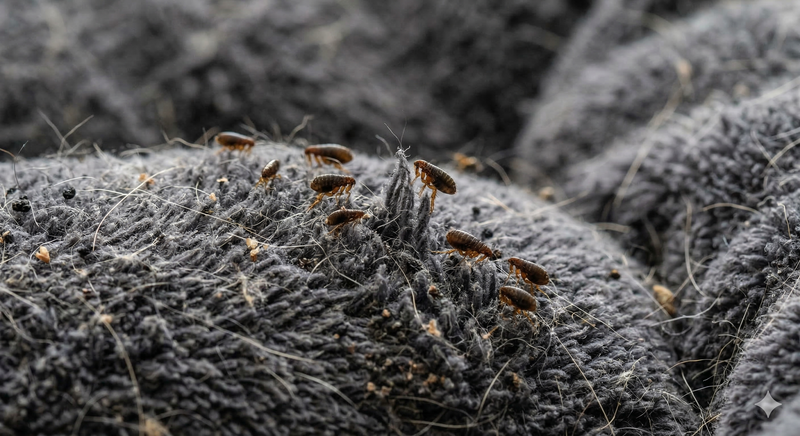
he Cat Flea is the most common flea species found on pets and in homes. Fleas are tiny, wingless parasites that feed on the blood of animals and sometimes humans.
Adult fleas are dark brown and extremely small, measuring about 1.5 to 3 mm in length. Their bodies are flattened from side to side, which helps them move easily through animal fur. Fleas also have powerful legs that allow them to jump long distances relative to their size.
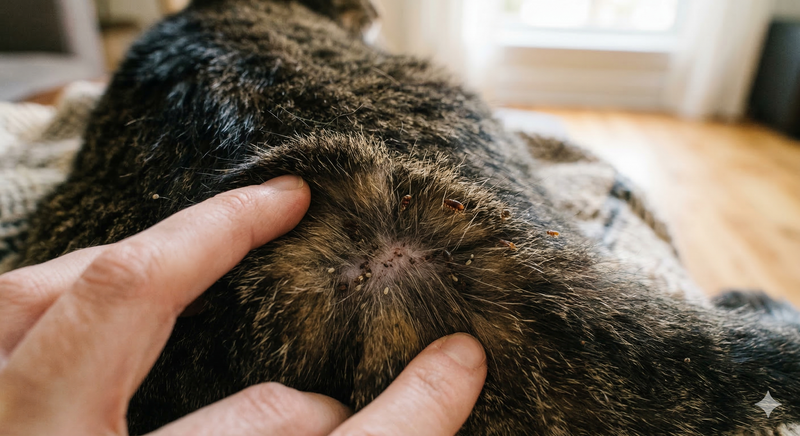
They are most often found on cats, dogs, and other warm-blooded animals, but infestations can quickly spread throughout a home.

Flea Life Cycle and Development
Fleas reproduce rapidly thanks to their four-stage life cycle, which includes egg, larva, pupa, and adult flea. Female fleas lay eggs on animals, but many fall into carpets, bedding, furniture, and floor cracks. Flea larvae feed on organic debris and flea droppings before developing into pupae.
In warm environments, fleas can complete their life cycle in just two to three weeks, allowing flea infestations to grow quickly if not properly controlled.
Where Fleas Live
Fleas are commonly found wherever pets or animals spend time. While adult fleas live on animals, their eggs and larvae often develop in indoor environments.
Common places fleas may be found include:
- Pet bedding and blankets
- Carpets and rugs
- Upholstered furniture
- Floor cracks and baseboards
- Pet resting areas
Outdoor areas such as yards, shaded soil, and animal shelters can also support flea development.
Are Fleas Harmful?
Flea can cause itchy bites, skin irritation, and allergic reactions in both humans and pets. They may lead to excessive scratching or hair loss in pets and can transmit certain parasites to animals. Large infestations can make living spaces uncomfortable and difficult to manage without proper treatment.
Flea Prevention Tips
Preventing fleas requires regular pet care and proper home sanitation.
- Use veterinarian-approved flea prevention treatments for pets.
- Bathe and groom pets regularly.
- Wash pet bedding frequently in hot water.
- Vacuum carpets, rugs, and furniture regularly.
- Clean pet sleeping areas often.
- Dispose of vacuum bags immediately after cleaning.
- Keep grass trimmed and yard areas clean.
- Remove debris and shaded areas where fleas may develop.
- Limit contact with stray animals or wildlife.
Professional Pests Control
If fleas are spreading throughout your home, carpets, or pet areas, professional pest control can help eliminate the infestation effectively.
At R.D. Exterminateur, our technicians inspect your property, identify flea breeding areas, and apply targeted flea control treatments designed to eliminate fleas and prevent them from returning.
Contact our team today to schedule an inspection and restore comfort to your home and pets.

