
Earthworm Pollinating Flies: Identification, Damage, Prevention & Control
What Are Earthworm Pollinating Flies?
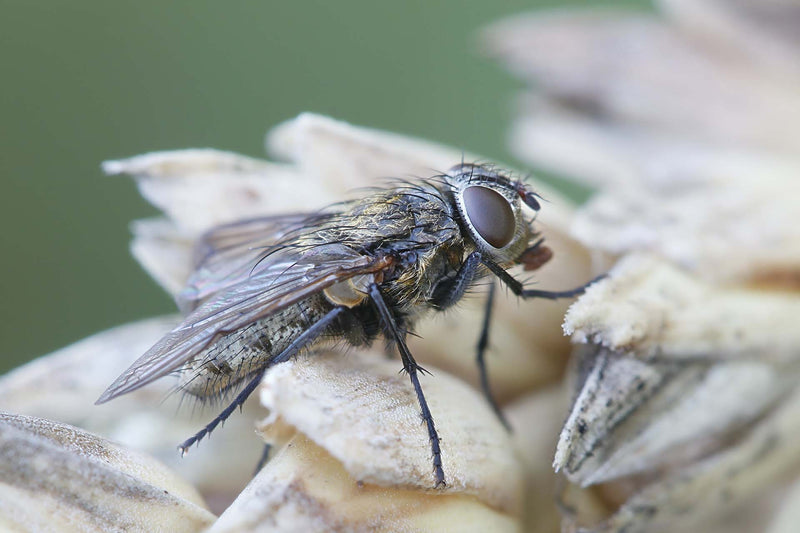
The Cluster Fly is commonly referred to as an earthworm pollinating fly because its larvae develop as parasites of earthworms. These flies belong to the blow fly family Calliphoridae.
Adult flies measure about 8 to 10 mm in length and resemble house flies, but are slightly larger and slower-moving. They typically have dark gray bodies with golden hairs on the thorax, which gives them a slightly shiny appearance.
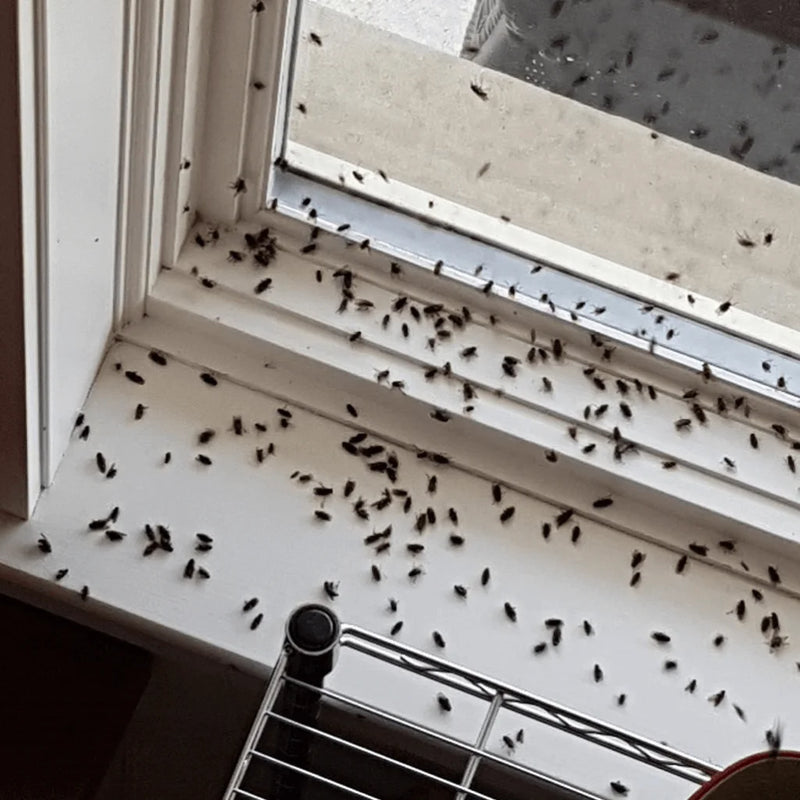
Earthworm pollinating flies are most noticeable when they gather in large numbers around windows, walls, or attics, especially during cooler seasons.

Earthworm Pollinating Fly Life Cycle and Development
The life cycle of these flies is closely connected to earthworms living in soil.
Female flies lay their eggs in soil or grassy areas. After hatching, the larvae locate earthworms and develop as parasites inside them. Once development is complete, the larvae pupate in the soil and later emerge as adult flies.
During warm months, adult flies remain outdoors, feeding on nectar and plant materials, which is why they are sometimes associated with pollination.
As temperatures drop in the fall, large numbers of adult flies may enter buildings to seek shelter for overwintering.
Where Earthworm Pollinating Flies Live
These flies are most commonly found in outdoor environments with healthy soil and earthworm populations. Typical habitats include:
- Lawns and gardens
- Fields and grassy areas
- Parks and open landscapes
- Agricultural areas
- Soil-rich residential yards
When seeking warmth in colder seasons, they often enter buildings and gather in:
- Attics
- Wall voids
- Window frames
- Ceiling spaces
They may appear indoors in large numbers on sunny days during late fall, winter, or early spring.
Are Earthworm Pollinating Flies Harmful?
Earthworm pollinating fly do not bite or sting and do not damage structures or stored food, but they can become a significant nuisance pest when large numbers enter buildings to overwinter. Infestations often result in clusters of flies around windows and ceilings, flies emerging indoors during warm winter days, and dead insects accumulating in window frames or light fixtures, making them difficult to manage without proper control.
Earthworm Pollinating Fly Prevention Tips
Preventing these flies mainly involves blocking entry points and reducing attraction to buildings.
- Seal cracks around windows, doors, and siding.
- Repair damaged screens and vents.
- Close gaps in rooflines, soffits, and attic openings.
- Keep window frames and exterior walls well sealed.
- Repair damaged siding or structural gaps.
- Reduce areas where insects can enter buildings.
- Keep windows closed during periods of heavy fly activity.
- Use proper ventilation screens to prevent flies from entering.
Professional Pests Control
If you are seeing large numbers of flies around your windows, attic, or ceilings, professional pest control can help identify entry points and prevent seasonal infestations.
At R.D. Exterminateur, our technicians inspect your property, locate areas where flies enter the structure, and apply targeted fly control solutions to stop infestations before they spread.
Contact our team today to schedule an inspection and keep your home or business free from nuisance flies.

