
Dung Flies: Identification, Damage, Prevention & Control
What Are Dung Flies?
Dung flies are small insects commonly found around animal waste, manure piles, and livestock areas. Many species belong to the fly family Scathophagidae, and the most recognizable species is the yellow dung fly.
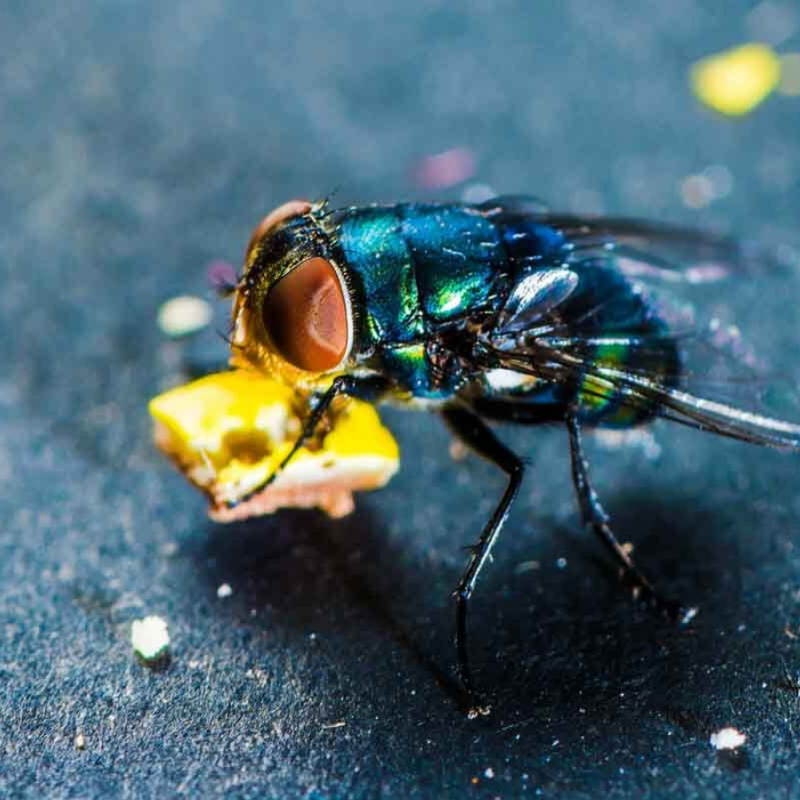
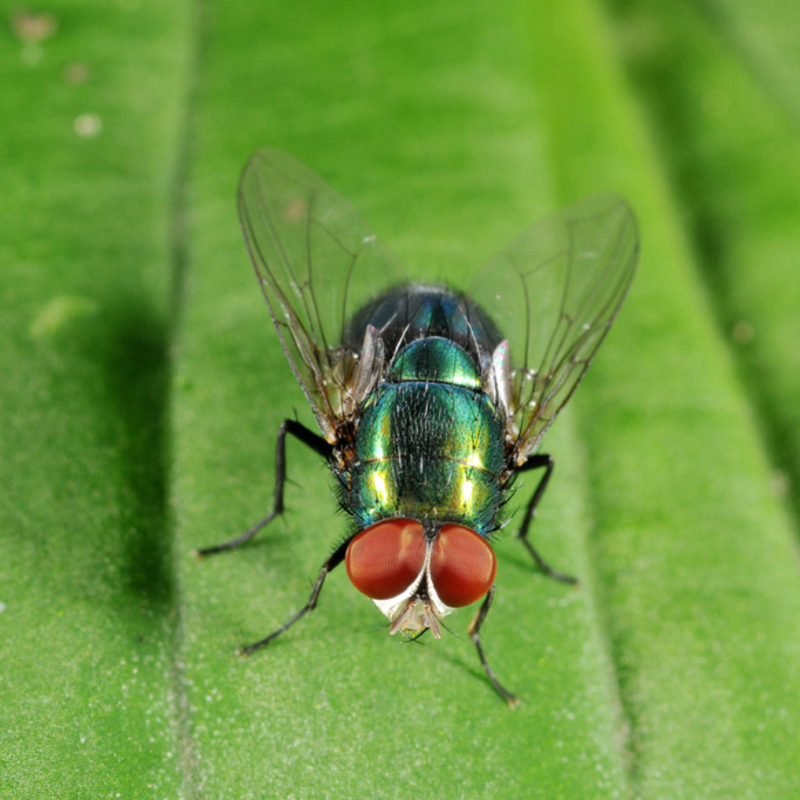
Adult dung flies typically measure 5–10 mm in length and have hairy yellow or yellow-brown bodies, long legs, and prominent reddish eyes. They are most often seen on fresh manure, where they feed and reproduce.

Dung Fly Life Cycle and Development
Dung flies reproduce quickly when manure or animal waste is available. Female flies lay their eggs directly on fresh manure, where the larvae hatch within a few days and begin feeding on organic material and small insects. The larvae develop for about one to two weeks before forming pupae in the manure or nearby soil. Adult flies emerge shortly afterward and can begin reproducing within a few days. During warm weather, several generations may develop in a single season.
Where Dung Flies Live
Dung flies thrive in areas where animal manure and organic waste are present. Common locations include:
- Livestock farms and barns
- Horse stables and paddocks
- Cattle pastures
- Compost piles containing manure
- Gardens using manure fertilizer
- Outdoor areas with pet waste
Around homes, dung flies may appear near pet waste, garbage bins, compost piles, or properties located near farms or livestock facilities.
Are Dung Flies Harmful?
Dung fly are not harmful to humans or pets and do not bite or sting, but large populations can become a nuisance around homes, farms, patios, and outdoor spaces. They are usually attracted to animal manure, pet waste, compost, or decaying organic matter, which serve as breeding sites and can lead to increased fly activity around a property.
Dung Fly Prevention Tips
Preventing dung fly problems mainly involves proper waste management and sanitation.
- Remove pet waste from yards regularly.
- Clean livestock manure frequently in barns and paddocks.
- Store manure in sealed or covered compost areas.
- Keep garbage bins tightly sealed.
- Avoid leaving organic waste exposed outdoors.
- Regularly clean animal enclosures and feeding areas.
- Use proper composting techniques.
- Avoid adding fresh manure too close to the home.
- Turn compost piles regularly to accelerate decomposition.
- Keep outdoor areas dry when possible.
- Ensure proper drainage around barns and animal shelters.
Professional Pests Control
If dung flies are invading your property, it usually means nearby animal waste or manure is creating breeding areas. A small infestation can quickly grow if left untreated.
At R.D. Exterminateur, our technicians provide professional dung fly control services, inspecting your property to locate breeding sites and applying safe, targeted treatments to reduce populations and prevent them from returning.
If you’re wondering how to get rid of dung flies around your yard, garden, compost, or animal enclosures, contact us today for an effective and reliable dung fly control solution.

