
Blacklegged Tick: Identification, Damage, Prevention & Control
What Are Blacklegged Ticks?
The Blacklegged Tick, commonly known as the deer tick, is a small parasitic tick that feeds on the blood of animals and humans. It is widely known for its ability to transmit certain diseases, including Lyme Disease.
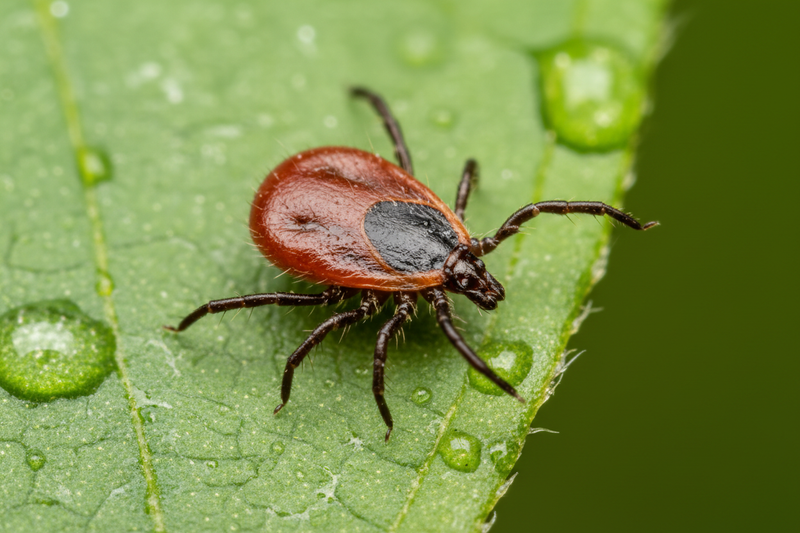
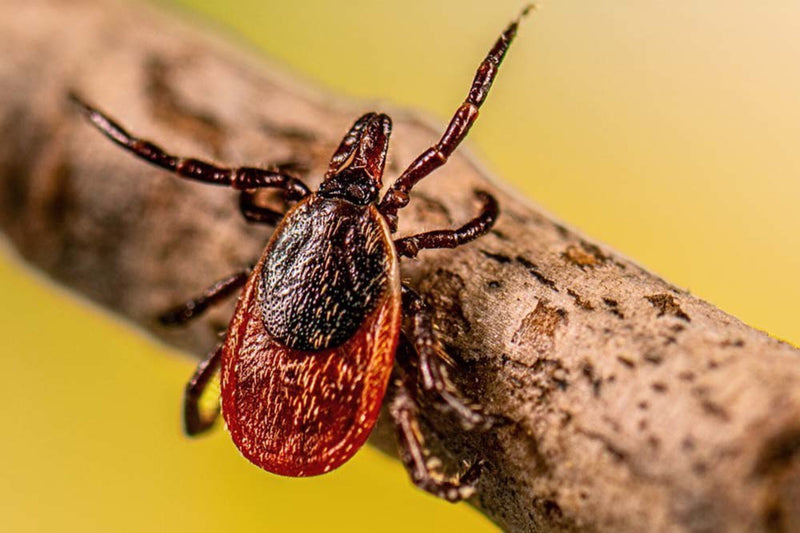
Adult blacklegged ticks are very small, measuring about 3 to 5 mm in length before feeding. They have a dark brown to black body, with females showing a reddish-orange area behind the head. After feeding, their bodies can become significantly larger.
These ticks are commonly found in wooded areas, tall grass, shrubs, and leaf litter, where they wait for animals or humans to pass by.

Blacklegged Tick Life Cycle and Development
These ticks have a two-year life cycle: egg, larva, nymph, and adult. Larvae and nymphs feed on small mammals and birds, while adults target larger hosts like deer, pets, and humans. Nymphs are key in spreading tick-borne diseases because they are tiny and hard to detect. Ticks don’t jump or fly; they “quest” by clinging to grass or shrubs and attaching to passing hosts. Knowing their life cycle and behavior helps prevent tick bites and reduces the risk of Lyme disease and other tick-related illnesses.
Where Blacklegged Ticks Live
These pests thrive in moist, shaded environments where they can avoid drying out. Common habitats include:
- Forests and wooded areas
- Tall grass and dense vegetation
- Leaf litter and brush piles
- Shrubs and forest edges
- Gardens near wooded environments
Around residential properties, ticks may be found in:
- Backyards with dense vegetation
- Areas with fallen leaves
- Near stone walls or wood piles
- Along property edges near forests
Properties that attract wildlife such as deer, rodents, or birds may also have higher tick activity.
Are Blacklegged Ticks Dangerous?
Blacklegged ticks are a major public health concern because they can transmit diseases to humans and pets, most notably Lyme disease. Symptoms of Lyme disease include fever, fatigue, headaches, joint pain, and skin rashes. Since ticks usually need to remain attached for several hours to transmit disease, early detection and removal are crucial. Pets can also be affected by tick bites and may bring ticks into homes, increasing the risk of exposure.
Blacklegged Tick Prevention Tips
Reducing tick activity around your home involves landscaping management and personal protection.
- Keep grass short and well maintained.
- Remove leaf litter, brush, and wood piles.
- Trim shrubs and vegetation near walkways and patios.
- Use gravel or wood chip barriers between lawns and wooded areas.
- Keep play areas and outdoor seating away from dense vegetation.
- Wear long sleeves and pants when walking in wooded areas.
- Use appropriate tick repellents when spending time outdoors.
- Check pets and family members for ticks after outdoor activities.
- Install fencing to discourage deer from entering your yard.
- Keep bird feeders and food sources away from the house.
Professional Pests Control
If you are noticing ticks in your yard, garden, or outdoor living areas, professional pest control can help reduce tick populations and protect your family and pets.
At R.D. Exterminateur, our technicians inspect your property, identify high-risk tick habitats, and apply targeted tick control treatments to help reduce infestations and prevent ticks from returning.
Contact our team today to schedule an inspection and enjoy a safer, more comfortable outdoor environment.

