
Bed Bugs: Identification, Damage, Prevention & Control
What Are Bed Bugs?
The Bed Bug is a small parasitic insect that feeds on the blood of humans and animals. Bed bugs are one of the most common indoor pests and are frequently found in homes, hotels, apartments, and other residential buildings.
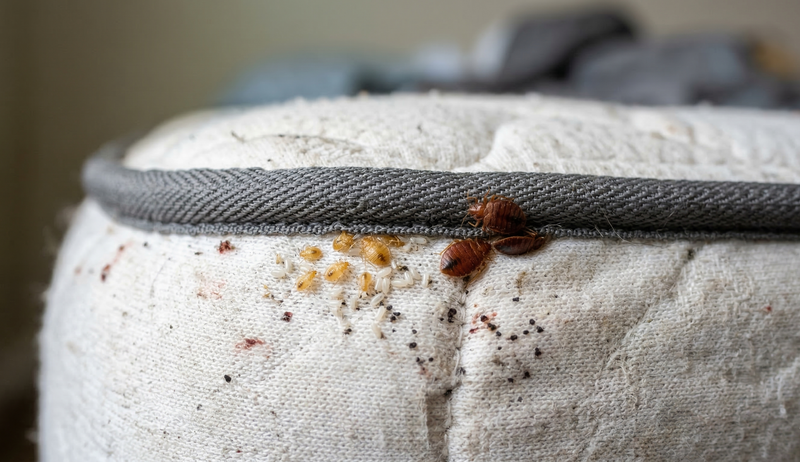
Adult bed bugs are reddish-brown, oval-shaped, and about 4 to 7 mm in length, roughly the size of an apple seed. Their bodies become larger and darker after feeding.
Bed bugs are primarily active at night, hiding during the day in small cracks and crevices near sleeping areas.

Bed Bug Life Cycle and Development
Bed bugs reproduce quickly, especially in warm environments with easy access to human blood meals. The bed bug life cycle has three main stages: egg, nymph, and adult. Female bed bugs lay tiny white eggs in hidden areas such as mattress seams, furniture joints, and wall cracks. After hatching, young bed bug nymphs must feed on blood to grow and develop.
Bed bugs pass through five nymph stages before reaching adulthood, and the entire bed bug life cycle can be completed in about one to two months, depending on temperature and food availability. Because they hide effectively and reproduce rapidly, a bed bug infestation can spread quickly if not detected and treated early.
Where Bed Bugs Live
Bed bugs prefer areas close to where people sleep, making bedrooms the most common infestation sites.
Typical hiding places include:
- Mattress seams and box springs
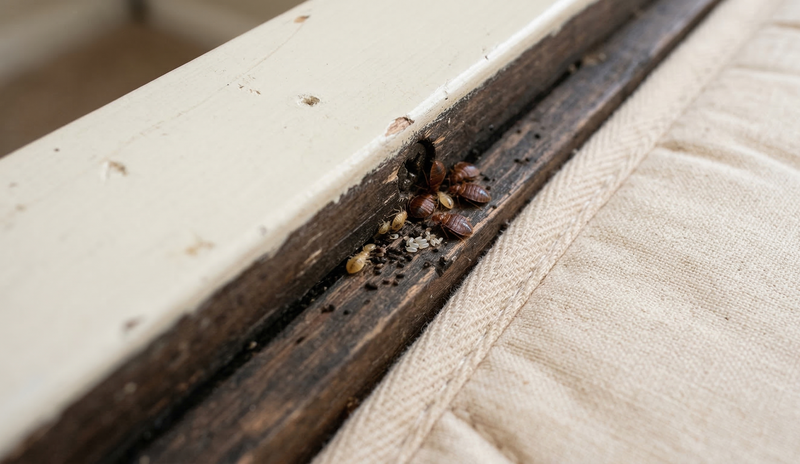
- Bed frames and headboards
- Furniture joints and cracks
- Behind baseboards or wallpaper
- Inside electrical outlets
- Luggage and personal belongings
They can also spread between rooms or apartments through furniture, clothing, luggage, or structural openings.
Are Bed Bugs Harmful?
Bed bug do not transmit diseases, but they can cause significant discomfort and stress in homes. Infestations often lead to itchy bites on exposed skin, skin irritation or allergic reactions, sleep disruption from nighttime biting, and blood stains or dark spots on bedding. Because bed bugs hide during the day, infestations can grow unnoticed until populations become larger.
Bed Bug Prevention Tips
Preventing bed bugs involves careful inspection and minimizing opportunities for them to spread.
- Check mattress seams and bed frames regularly.
- Look for dark spots, shed skins, or tiny eggs.
- Use mattress encasements designed to prevent infestations.
- Inspect hotel beds and furniture before unpacking.
- Keep luggage off the floor and away from beds.
- Wash and dry clothing on high heat after returning home.
- Avoid bringing second-hand furniture into the home without inspection.
- Carefully check mattresses, couches, and bed frames.
- Keep bedrooms organized and free of clutter.
- Seal cracks around walls, baseboards, and furniture joints.
Bed Bug Control Methods
Bed bug infestations can be challenging to eliminate because these pests hide in tiny cracks and reproduce rapidly, making early detection essential. Effective bed bug control involves a thorough inspection of sleeping areas, heat treatments or targeted insecticide applications, and vacuuming and laundering infested bedding, furniture, and clothing. Using bed bug traps or interceptors helps monitor ongoing activity and locate hidden populations. Since bed bugs can conceal themselves in numerous locations, complete treatment usually requires multiple steps and careful monitoring to fully remove the infestation from homes, hotels, or other living spaces.
Professional Pests Control
If you notice bed bug bites, stains on bedding, or insects around your bed, professional pest control is the most effective way to eliminate the infestation.
At R.D. Exterminateur, our technicians conduct detailed inspections and apply targeted bed bug treatments designed to eliminate infestations and prevent them from spreading.
Contact our team today to schedule an inspection and restore comfort to your home or business.

